
🔧

Ball Valves and Stopcocks Specialists Across the UK

Float valves that will not shut off or will not open, seized or leaking stopcocks, and missing isolation valves, replaced or repaired so water can be controlled and stopped.

💰 Typical cost: £70–£300⏱ Timeframe: 1–2 hours📋 Free surveys available
Job profileCost 1 of 5, Complexity 2 of 5, Duration 1 of 5, Dustiness 1 of 5, Disturbance 3 of 5Cost: 1 of 5Complexity: 2 of 5Duration: 1 of 5Dustiness: 1 of 5Disturbance: 3 of 5Cost1/5Complexity2/5Duration1/5Dustiness1/5Disturbance3/5
What the job involves, at a glance

What is involved in ball valve and stopcock work?

Float-operated ball valves control the refill of a cistern or cold water tank. Stopcocks shut off a water supply, while smaller isolation valves serve individual fittings. A plumber can repair or replace a valve that leaks, will not close or no longer lets enough water through, as long as the supply can first be shut off safely.
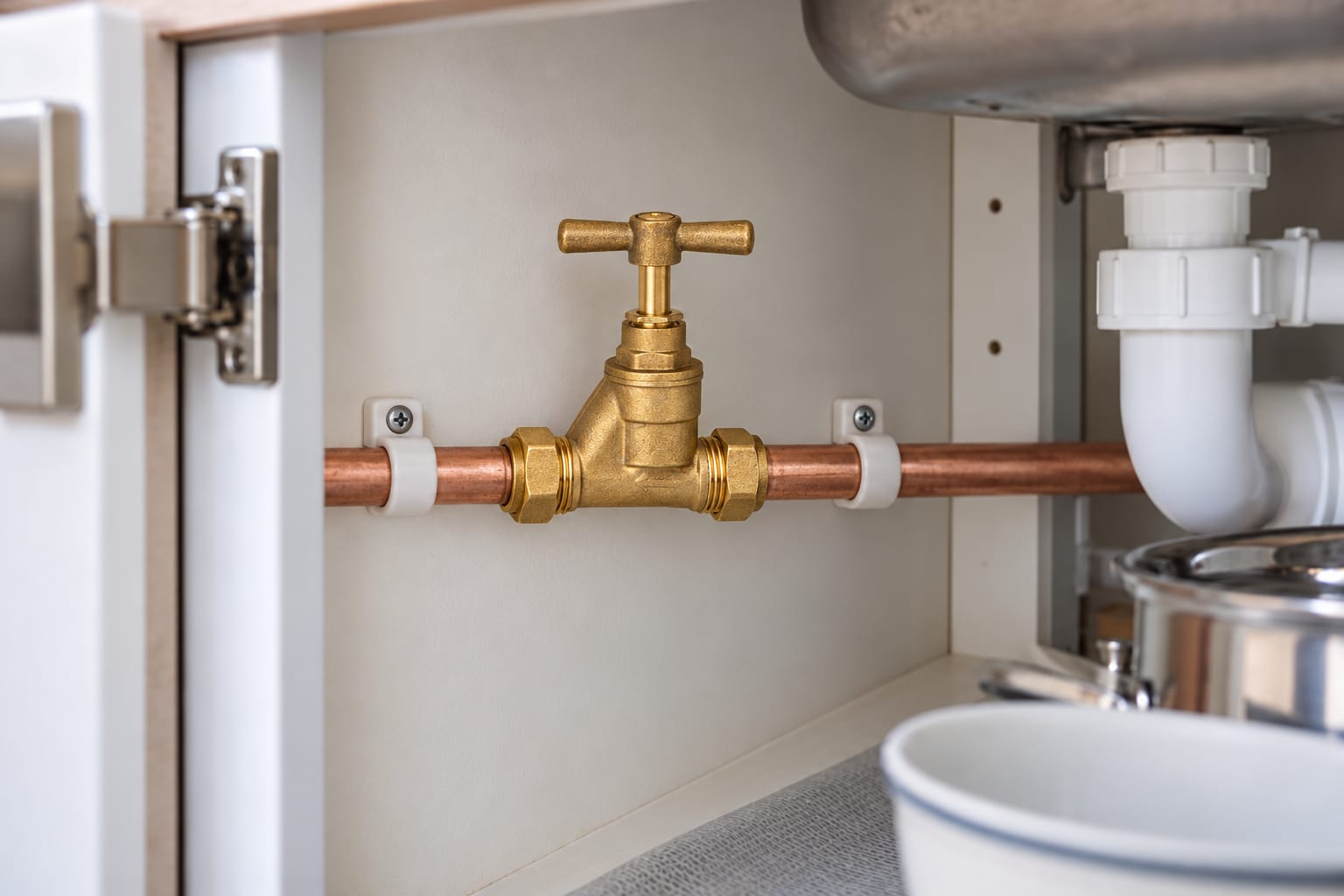
Brass stopcock fitted between copper water supply pipes inside a cupboard

Signs you need ball valve and stopcock work

  • A stopcock is seized or leaks around its spindle
  • A tank keeps filling after the float rises
  • A cistern fills unusually slowly or noisily
  • An isolation valve fails to stop the flow to a fitting
  • There is no accessible local valve for a planned tap or toilet repair

Float valves and shut-off valves do different jobs

A float valve must be suitable for the cistern, inlet pressure and required air gap. A stopcock must be accessible enough to operate when it is needed. Simply fitting a larger valve does not establish why the flow was weak. The plumber should check the existing supply and the fitting it serves.

If the internal stopcock cannot isolate the pipe being repaired, the plumber may need the water supplier’s help with an external valve. Responsibility for outside valves and shared supplies varies. Do not force a seized handle or operate an unfamiliar street valve yourself; tell the plumber what you have found.

What the contractor checks and repairs

  1. Identify the valve, the supply it controls and a safe upstream isolation point.
  2. Check pipe condition, available access and whether a shared supply is involved.
  3. Drain the affected section and repair suitable packing or replace the faulty valve.
  4. Fit the correctly rated valve with appropriate connections and float settings where relevant.
  5. Restore water gradually, check shut-off and refill behaviour, and show the customer the isolation point.

How much should you budget for ball valve and stopcock work?

Our indicative UK range for ball valve and stopcock work is £70–£300. This is a budgeting guide for ordinary work, not a fixed quotation. An easy-to-reach cistern valve is a different job from a seized stopcock behind fitted units. Upstream isolation, shared supplies, damaged copper and the need for a supplier visit can add time or separate charges.

The site’s guide time is 1–2 hours. Fault finding, unavailable parts or a second trade can extend the visit. Confirm labour, materials, call-out charges and whether VAT is included before booking.

What to put in the enquiry

Send a photo showing the valve and nearby pipes, not just the handle. Say if it serves more than one home or is hidden behind units. Do not keep forcing a valve that feels seized.

Check the scope of the quote

Ask which valve is being repaired or replaced, how the water will be shut off, whether new connectors are included and who arranges supplier involvement. Confirm any charge for a second visit.

Safety and relevant requirements

The replacement must maintain the correct backflow protection and suit the supply. WaterSafe guidance on water fittings and notification covers the rules and notification exceptions. Ordinary valve work does not in itself require Gas Safe registration; any separate gas work must be handled by an appropriately registered gas engineer.

Compare quotes for ball valve and stopcock work

GetPlumbingQuotes.co.uk can pass one enquiry to up to four independent plumbers, depending on the work and local availability. Businesses joining the network are asked for relevant insurance details and references. Check current documents and experience yourself before appointing anyone.

The matching service is free and there is no obligation to book. The chosen contractor provides the advice and carries out the work under an agreement with you. Describe the job and request quotes.

Frequently asked questions

Can a seized stopcock be repaired?

Sometimes the fault can be dealt with at the spindle, but a badly worn or seized valve may need replacing. The plumber must first establish how to isolate the supply upstream.

Who turns off the water outside?

The plumber should establish who controls the external valve and whether the water supplier needs to attend. Shared supplies and responsibility for boundary fittings vary, so do not assume an outside valve is yours to operate.

Will replacing a ball valve stop an overflow?

It may do so if the valve or its float is the cause. Incorrect water level, a damaged float or another system fault can also be involved, so the cause should be checked first.

Find Ball Valves and Stopcocks Specialists by County

Select your county to browse local ball valve and stopcock work contractors and request free quotes.

Aberdeen City
Scotland
5 towns covered
Aberdeenshire
Scotland
10 towns covered
Anglesey
Wales
7 towns covered
Angus
Scotland
6 towns covered
Argyll and Bute
Scotland
6 towns covered
Bedfordshire
East of England
15 towns covered
Berkshire
South East England
15 towns covered
Blaenau Gwent
Wales
6 towns covered
Bridgend
Wales
6 towns covered
Bristol
South West England
12 towns covered
Buckinghamshire
South East England
15 towns covered
Caerphilly
Wales
7 towns covered
Cambridgeshire
East of England
15 towns covered
Cardiff
Wales
7 towns covered
Carmarthenshire
Wales
7 towns covered
Ceredigion
Wales
6 towns covered
Cheshire
North West England
16 towns covered
City of Edinburgh
Scotland
6 towns covered
Clackmannanshire
Scotland
5 towns covered
Conwy
Wales
6 towns covered
Cornwall
South West England
20 towns covered
County Antrim
Northern Ireland
10 towns covered
County Armagh
Northern Ireland
7 towns covered
County Down
Northern Ireland
10 towns covered
County Durham
North East England
15 towns covered
County Fermanagh
Northern Ireland
5 towns covered
County Londonderry
Northern Ireland
7 towns covered
County Tyrone
Northern Ireland
7 towns covered
Cumbria
North West England
15 towns covered
Denbighshire
Wales
6 towns covered
Derbyshire
East Midlands
15 towns covered
Devon
South West England
20 towns covered
Dorset
South West England
15 towns covered
Dumfries and Galloway
Scotland
7 towns covered
Dundee City
Scotland
4 towns covered
East Ayrshire
Scotland
6 towns covered
East Dunbartonshire
Scotland
5 towns covered
East Lothian
Scotland
6 towns covered
East Renfrewshire
Scotland
5 towns covered
East Riding of Yorkshire
Yorkshire and the Humber
14 towns covered
East Sussex
South East England
15 towns covered
Essex
East of England
20 towns covered
Falkirk
Scotland
6 towns covered
Fife
Scotland
10 towns covered
Flintshire
Wales
6 towns covered
Glasgow City
Scotland
7 towns covered
Gloucestershire
South West England
15 towns covered
Greater London
London
30 towns covered
Greater Manchester
North West England
20 towns covered
Gwynedd
Wales
7 towns covered
Hampshire
South East England
20 towns covered
Herefordshire
West Midlands
10 towns covered
Hertfordshire
East of England
16 towns covered
Highland
Scotland
10 towns covered
Inverclyde
Scotland
5 towns covered
Isle of Wight
South East England
10 towns covered
Kent
South East England
20 towns covered
Lancashire
North West England
20 towns covered
Leicestershire
East Midlands
15 towns covered
Lincolnshire
East Midlands
18 towns covered
Merseyside
North West England
14 towns covered
Merthyr Tydfil
Wales
5 towns covered
Midlothian
Scotland
5 towns covered
Monmouthshire
Wales
6 towns covered
Moray
Scotland
6 towns covered
Na h-Eileanan Siar
Scotland
5 towns covered
Neath Port Talbot
Wales
6 towns covered
Newport
Wales
6 towns covered
Norfolk
East of England
16 towns covered
North Ayrshire
Scotland
6 towns covered
North Lanarkshire
Scotland
7 towns covered
North Yorkshire
Yorkshire and the Humber
18 towns covered
Northamptonshire
East Midlands
15 towns covered
Northumberland
North East England
15 towns covered
Nottinghamshire
East Midlands
15 towns covered
Orkney Islands
Scotland
4 towns covered
Oxfordshire
South East England
15 towns covered
Pembrokeshire
Wales
7 towns covered
Perth and Kinross
Scotland
7 towns covered
Powys
Wales
8 towns covered
Renfrewshire
Scotland
6 towns covered
Rhondda Cynon Taf
Wales
7 towns covered
Rutland
East Midlands
10 towns covered
Scottish Borders
Scotland
7 towns covered
Shetland Islands
Scotland
4 towns covered
Shropshire
West Midlands
15 towns covered
Somerset
South West England
18 towns covered
South Ayrshire
Scotland
5 towns covered
South Lanarkshire
Scotland
8 towns covered
South Yorkshire
Yorkshire and the Humber
14 towns covered
Staffordshire
West Midlands
15 towns covered
Stirling
Scotland
5 towns covered
Suffolk
East of England
15 towns covered
Surrey
South East England
20 towns covered
Swansea
Wales
6 towns covered
Torfaen
Wales
5 towns covered
Tyne and Wear
North East England
13 towns covered
Vale of Glamorgan
Wales
6 towns covered
Warwickshire
West Midlands
13 towns covered
West Dunbartonshire
Scotland
4 towns covered
West Lothian
Scotland
6 towns covered
West Midlands
West Midlands
18 towns covered
West Sussex
South East England
15 towns covered
West Yorkshire
Yorkshire and the Humber
18 towns covered
Wiltshire
South West England
15 towns covered
Worcestershire
West Midlands
13 towns covered
Wrexham
Wales
6 towns covered
Advertisement